When in Rome do as the Romans do, but when in Vienna this summer, think about trying out some summer tips from some Webster students.
Not only does Vienna have a rich history, famous musicians, and great architecture to offer, summer time here is filled with many exciting outdoor concerts and activities that cater everyone. Best of all, nearly all of them are free.
Enjoy a summer splash by the Danube, relax at open-air bars and restaurants along the canal, chill at a big beer garden inside Prater, or enjoy a glass of local wine at a Heuriger in the suburbs.
Entertainment is plentiful, with outdoor film festivals – yes, there are more than one – and concerts that offer a variety to satisfy all tastes.
International Relations sophomore, Alexandra Fomenko recommends starting off by checking the vienna-event web page, to find the latest happenings. But for insider tips on the best places to whet a whistle, most Webster students who have been here over the summer say they like to stick close to the Danube canal, known here by its German name, the Donau.
“Always to the Donau!” senior Media major, Gretchen Gatzke, recommended in a survey. “You can swim, bring friends, (play) cards, a picnic and beer, and get a lot of sun.”
That sentiment is echoed by most. Along the canal, or the nearby Danube Island, people can barbeque, rollerblade, water ski, go wave-boarding or just chill out with friends.
This year Donaukanaltreiben, a three-day festival for music, art and culture that runs along the canal from Spittelau in the north to Franzensbrücke at nearly the end of the city starts June 7. This year’s musical lineup includes Sofa Surfers Soundsystem featuring Saedi, the Vienna-Berlin quartet Luise Pop, the alternative rock band Mauracher as well as the newcomer Indie Pop band The Boys You Know.
The Alte Donau is the dead-end of an old part of the river that acts more like the city’s lake. It’s easy to reach (only a block or two away from the Webster campus) or via the U1 Alte Donau station. The water is warm enough to swim in, but Molly Ochs, an IR senior, also likes to rent boats – sail boats, electric boats or even pedalos.
“This is a great way to enjoy a sunny day.” Ochs said, “It’s always cool on the water and is a great opportunity to swim and get out of the city while still being in the city.”
An electric boat rental starts at € 16 per hour, some companies even offer party boots that can accommodate 12 people, but choose a good captain because you will be dodging swimmers, rowing sculls and other paddlers on the water during busy days.
You might want to steer a course away from the crowded beach, nude beach, and under water plants that will stop your motor.
Or, you can try you your hand at the new Stand up Paddling (€ 14/ per hour).
Another good open space to relax is MQ (Museumsquartier) with its young atmosphere and the low prices. There are also great restaurants and bars in the nearby area.
Drew Fuhrman, an American MBA graduate student, said he usually goes MQ to study, because it has a lot of nice cafes and free wifi.
“Just (a) really nice atmosphere. Lots of students would just hang out there as well,” he said. “It’s a place to go, like, a nice afternoon.”
New this summer at MQ is Aquadrome, a miniature boat racing game. People are encouraged to bring their own remote-controlled boats to compete, but you can also rent a boat for €5 for ten minutes. The competition takes places every Saturday, Sunday and holiday and runs until August 31.
IR and Media major Aleksandra Andjelkovic, who is spending her fifth summer in Vienna this year, said one of her favorite places to go is Summer Stage, located in the 9th district on the Donau canal, close to the Station Roßauer Lände U4 stop.
Summer Stage is a great place for people to hang out, watch football games and enjoy the free concerts as well as the scenery along the canal. People can find a variety of culinary adventures ranging from Indian, Mexican, or Caribbean food, and you can even have your meal prepared by former Buckingham Palace chef Robert Morton and his team. Finding an empty table to sit isn’t easy over weekends.
Downstream, on the other side of the canal, is Schützenhaus, a beautiful blue and white Art Nouveau building designed by the architect Otto Wagner at the beginning of 1900 century. Recently converted into a restaurant, it now offers small quiet shady gardens, which allows the guests to enjoy the Danube and fine Viennese cuisine at the same time.
Not too far from the Schützenhaus, on the other side of the subway exit,
Tel Aviv Beach lounge bar is a decidedly younger, more relaxed venue. For a sunny, laid back afternoon, submerge yourself in a white deck chair under the shade of an umbrella, while sipping homemade ice tea with fresh mint. Extend the exotic feel by ordering authentic Israeli cuisine.Tel Aviv Beach is also part of Neni family restaurants, which allows the guests to enjoy the exotic authentic Israeli cuisine that is created by the famous Austrian chef, Haya Molcho. (This link would lead you to a local newspaper story about her.Warning: It is in German, suggest to read it with Google Chrome's aid.)
During the day, it’s a wonderful spot, it has sand, and so it gives you a real feeling of a real beach in the middle of the city,” Andjelkovic said. Before night proceeds, Tel Aviv Beach turns into the place to enjoy the pastel-colored sunset.
At night, it frequently invites DJs to perform. You can find out upcoming events by following their Facebook page. In addition, Tel Aviv beach will also host some after-parties from Flex, Vienna’s most popular club, which, by the way, is just on other side of the canal.
If you are up for some Austrian food, MBA graduate Fuhrman recommended Schweizerhaus in the Prater – Vienna’s famous amusement park – for its beer garden and atmosphere. Another Webster student, Ochs, recommends its famous Viennese deep fried pork knuckle, Stelzen, and brew Budweiser beer (the Czech kind) which is unique in Vienna. As with just about every good restaurant, you should probably reserve first to ensure you can get a table.
Another IR/Media major, Austrian Lisa Walzel suggested people should go to a Heuriger in the evening to try out the local wine and authentic food.
Heurigers are traditional local taverns that usually serve up the newly made wine from last year’s harvest and a selection of cold food or warm buffet.
Although there are heurigers in town, to get the real feel, visit the heurigers located on idyllic side streets in the Vienna districts of Grinzing, Heiligenstadt and Nussdorf. All are reachable by trams. For more information, you can visit here.
Nighttime outdoor events, nearly all of them free, keep the Viennese busy throughout the entire summer.
Sommerkino am Rathausplatz, from June 30 to September 2, screens movies where you don’t need any knowledge of German to enjoy. Last year’s celluloid ranged from a Rolling Stones concert film to Mozart’s “Magic flute.” While watching from a giant screen, you can munch on the cuisine from all over the world from the huge food court connected to it. Come early, though: Seating is first come first served.
For those who prefer a quiet night, Kino unter Sternen (Cinema under the Stars) at Karlsplatz, maybe a better choice, recent Business and Media graduate, Mina Nacheva suggested.
“It's in downtown Vienna, but it doesn't feel like it,” Mina wrote in a survey. In addition, it usually has a great selection of movies that includes classics and independent films from all over the world. Sometimes they include talks by film directors. This year, Kino unter Sternen is inviting audiences to submit their votes of the film they wish to watch. You can participate here.
The Sommerkozert at Schönbrunn, Thursday, May 30 at 9:00 p.m., is another summer highlight. The Vienna Philharmonic has performed a free open-air concert on the grounds of Schönbrunn Palace annually since 2004. This year’s theme is devoted to the 200th birthday of Giuseppe Verdi and Richard Wagner.
“It’s beeeaauutiful, so romantic,” said Andjelkovic, who had been there previous years. If one can go with their partner, “that’s a place to go, definitely.”
Try to be there at least an hour early to secure a good spot. Beware of the crowd. If you plan to go there with a group of friends, try to meet up first before going in Schönbrunn Palace. With the vast audience – thousands attend -- it can be tricky to search for your friends among the crowd.
Sitting on the hill provides a nice view from the top, but you are less likely to hear it very well. Bring a picnic blanket to sit on; after all, you are in for a two-hour long concert.
Extended: Watch the time-lapse of how the stage Sommernachtskonzert Vienna 2012 was build
If it is raining…feel like taking a break from the summer heat and other outdoor activities? Check out ‘Dialogue in the Dark, located at the historic vaults of the Schottenstift. Tours are led by blind or visually impaired guides in pitch-dark rooms, allowing visitors to experience what it feel like to rely on other non-visual senses. You can also stay for dinner. Reservations are recommended.
What are your favorite places to go in Vienna during summertime?
Share with us in the response section or post your ideas and photos of a fun way to spend your summer in Vienna!
Not only does Vienna have a rich history, famous musicians, and great architecture to offer, summer time here is filled with many exciting outdoor concerts and activities that cater everyone. Best of all, nearly all of them are free.
Enjoy a summer splash by the Danube, relax at open-air bars and restaurants along the canal, chill at a big beer garden inside Prater, or enjoy a glass of local wine at a Heuriger in the suburbs.
Entertainment is plentiful, with outdoor film festivals – yes, there are more than one – and concerts that offer a variety to satisfy all tastes.
International Relations sophomore, Alexandra Fomenko recommends starting off by checking the vienna-event web page, to find the latest happenings. But for insider tips on the best places to whet a whistle, most Webster students who have been here over the summer say they like to stick close to the Danube canal, known here by its German name, the Donau.
It’s all about being outdoors
“Always to the Donau!” senior Media major, Gretchen Gatzke, recommended in a survey. “You can swim, bring friends, (play) cards, a picnic and beer, and get a lot of sun.”
That sentiment is echoed by most. Along the canal, or the nearby Danube Island, people can barbeque, rollerblade, water ski, go wave-boarding or just chill out with friends.
This year Donaukanaltreiben, a three-day festival for music, art and culture that runs along the canal from Spittelau in the north to Franzensbrücke at nearly the end of the city starts June 7. This year’s musical lineup includes Sofa Surfers Soundsystem featuring Saedi, the Vienna-Berlin quartet Luise Pop, the alternative rock band Mauracher as well as the newcomer Indie Pop band The Boys You Know.
 |
| U-Bahn-Station 'Alte Donau' and the bridge ©Österreich Werbung / Diejun |
“This is a great way to enjoy a sunny day.” Ochs said, “It’s always cool on the water and is a great opportunity to swim and get out of the city while still being in the city.”
An electric boat rental starts at € 16 per hour, some companies even offer party boots that can accommodate 12 people, but choose a good captain because you will be dodging swimmers, rowing sculls and other paddlers on the water during busy days.
You might want to steer a course away from the crowded beach, nude beach, and under water plants that will stop your motor.
Or, you can try you your hand at the new Stand up Paddling (€ 14/ per hour).
Videos of Stand up paddling
Another good open space to relax is MQ (Museumsquartier) with its young atmosphere and the low prices. There are also great restaurants and bars in the nearby area.
Drew Fuhrman, an American MBA graduate student, said he usually goes MQ to study, because it has a lot of nice cafes and free wifi.
“Just (a) really nice atmosphere. Lots of students would just hang out there as well,” he said. “It’s a place to go, like, a nice afternoon.”
New this summer at MQ is Aquadrome, a miniature boat racing game. People are encouraged to bring their own remote-controlled boats to compete, but you can also rent a boat for €5 for ten minutes. The competition takes places every Saturday, Sunday and holiday and runs until August 31.
Keeping cool even at night:
Bars and Restaurants |
| A view at Summer Stage ©echo-citythai |
Summer Stage is a great place for people to hang out, watch football games and enjoy the free concerts as well as the scenery along the canal. People can find a variety of culinary adventures ranging from Indian, Mexican, or Caribbean food, and you can even have your meal prepared by former Buckingham Palace chef Robert Morton and his team. Finding an empty table to sit isn’t easy over weekends.
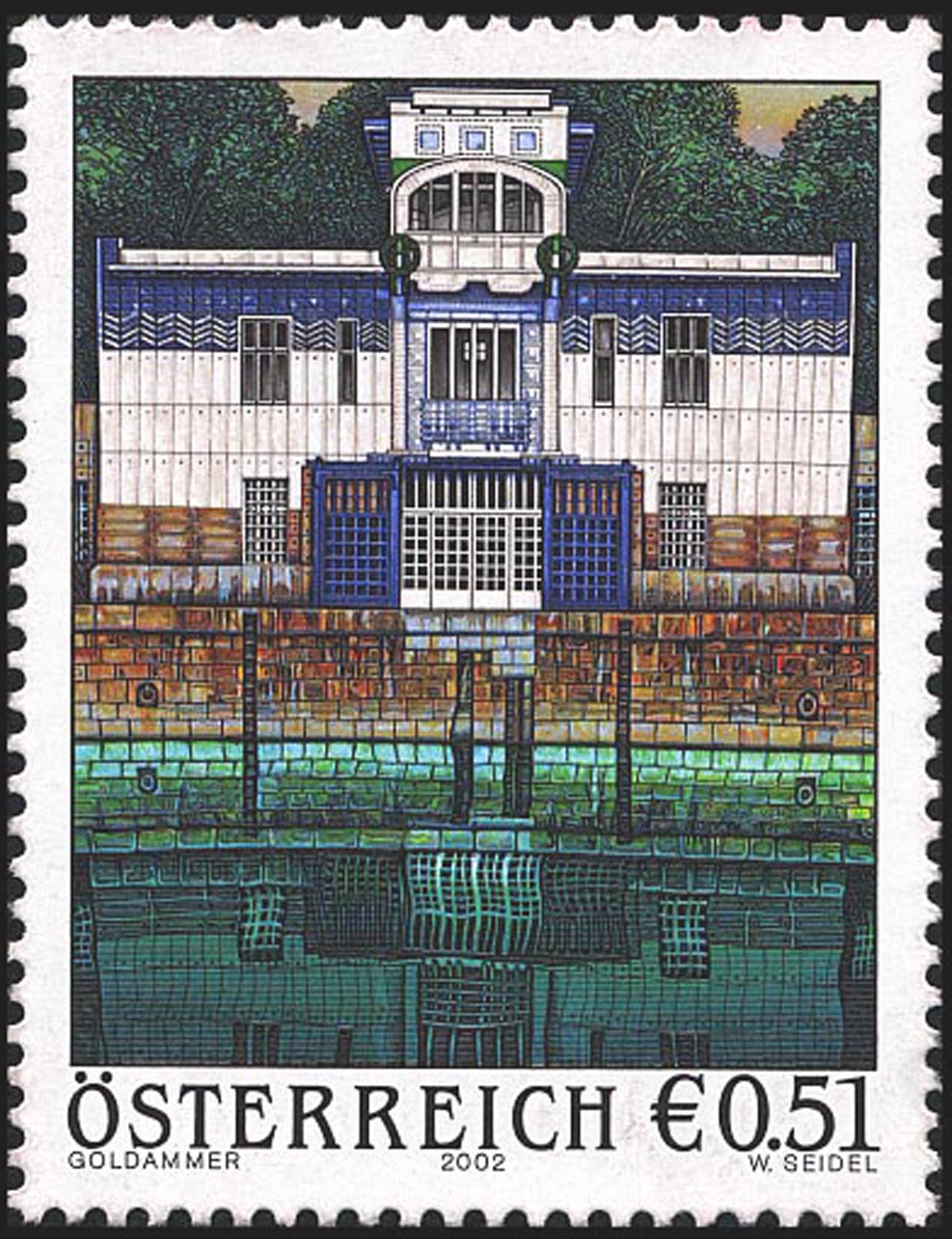 |
| Schützenhaus© Österreichische Post |
Not too far from the Schützenhaus, on the other side of the subway exit,
Tel Aviv Beach lounge bar is a decidedly younger, more relaxed venue. For a sunny, laid back afternoon, submerge yourself in a white deck chair under the shade of an umbrella, while sipping homemade ice tea with fresh mint. Extend the exotic feel by ordering authentic Israeli cuisine.Tel Aviv Beach is also part of Neni family restaurants, which allows the guests to enjoy the exotic authentic Israeli cuisine that is created by the famous Austrian chef, Haya Molcho. (This link would lead you to a local newspaper story about her.Warning: It is in German, suggest to read it with Google Chrome's aid.)
 |
| A view of Tel Aviv Beach at day©Claudio Farkasch |
At night, it frequently invites DJs to perform. You can find out upcoming events by following their Facebook page. In addition, Tel Aviv beach will also host some after-parties from Flex, Vienna’s most popular club, which, by the way, is just on other side of the canal.
If you are up for some Austrian food, MBA graduate Fuhrman recommended Schweizerhaus in the Prater – Vienna’s famous amusement park – for its beer garden and atmosphere. Another Webster student, Ochs, recommends its famous Viennese deep fried pork knuckle, Stelzen, and brew Budweiser beer (the Czech kind) which is unique in Vienna. As with just about every good restaurant, you should probably reserve first to ensure you can get a table.
 |
| Weingut Entrance©Mayer am Pfarrplatz |
Heurigers are traditional local taverns that usually serve up the newly made wine from last year’s harvest and a selection of cold food or warm buffet.
Although there are heurigers in town, to get the real feel, visit the heurigers located on idyllic side streets in the Vienna districts of Grinzing, Heiligenstadt and Nussdorf. All are reachable by trams. For more information, you can visit here.
A midsummer night’s dream
Nighttime outdoor events, nearly all of them free, keep the Viennese busy throughout the entire summer.
Sommerkino am Rathausplatz, from June 30 to September 2, screens movies where you don’t need any knowledge of German to enjoy. Last year’s celluloid ranged from a Rolling Stones concert film to Mozart’s “Magic flute.” While watching from a giant screen, you can munch on the cuisine from all over the world from the huge food court connected to it. Come early, though: Seating is first come first served.
For those who prefer a quiet night, Kino unter Sternen (Cinema under the Stars) at Karlsplatz, maybe a better choice, recent Business and Media graduate, Mina Nacheva suggested.
“It's in downtown Vienna, but it doesn't feel like it,” Mina wrote in a survey. In addition, it usually has a great selection of movies that includes classics and independent films from all over the world. Sometimes they include talks by film directors. This year, Kino unter Sternen is inviting audiences to submit their votes of the film they wish to watch. You can participate here.
The Sommerkozert at Schönbrunn, Thursday, May 30 at 9:00 p.m., is another summer highlight. The Vienna Philharmonic has performed a free open-air concert on the grounds of Schönbrunn Palace annually since 2004. This year’s theme is devoted to the 200th birthday of Giuseppe Verdi and Richard Wagner.
“It’s beeeaauutiful, so romantic,” said Andjelkovic, who had been there previous years. If one can go with their partner, “that’s a place to go, definitely.”
Try to be there at least an hour early to secure a good spot. Beware of the crowd. If you plan to go there with a group of friends, try to meet up first before going in Schönbrunn Palace. With the vast audience – thousands attend -- it can be tricky to search for your friends among the crowd.
Sitting on the hill provides a nice view from the top, but you are less likely to hear it very well. Bring a picnic blanket to sit on; after all, you are in for a two-hour long concert.
Sommernachtskonzert Vienna 2010, "Star Wars" Usually at the end of concert encores, the "unofficial anthem of
Vienna", Johann Strauss' waltz “Wiener Blut” (Vienna Blood) will be played.
Vienna", Johann Strauss' waltz “Wiener Blut” (Vienna Blood) will be played.
Extended: Watch the time-lapse of how the stage Sommernachtskonzert Vienna 2012 was build
Last but not least...
If it is raining…feel like taking a break from the summer heat and other outdoor activities? Check out ‘Dialogue in the Dark, located at the historic vaults of the Schottenstift. Tours are led by blind or visually impaired guides in pitch-dark rooms, allowing visitors to experience what it feel like to rely on other non-visual senses. You can also stay for dinner. Reservations are recommended.
What are your favorite places to go in Vienna during summertime?
Impressions
of Vienna. Time-lapse shot of famous and historic places in Vienna. By Georg
Riha