2011年8月16日 星期二

[轉錄]分享:省小錢存大錢 退休金增5萬

希望大家都可以積少成多!! :)

省小錢存大錢 退休金增5萬
綜合報導
August 11, 2011 06:04 AM | 10743 次 | 0 0 評論 | 25 25 推薦 | 電郵給朋友 | 打印
除了買樂透中大獎和上電視益智節目拚獎金外,還有沒有別的辦法讓你的退休儲蓄增加5萬元?有,而且不止一個辦法。一言以蔽之,你可以在某些地方克制花費, 把這些省下來的小錢投到退休儲蓄帳戶裏,日積月累,5萬元完全不是問題。

德州維多利亞(Victoria)財務顧問公司史提夫奧爾(Steve Orr)常常舉喝咖啡的例子。他說,許多人每天都到咖啡店買咖啡,如果把這筆錢省下來,20年後得到的好處不僅是少長幾磅肉,擺脫咖啡因控制,還會給退休 增加可觀老本。

奧爾表示,他的孩子從小被他教育每月拿出一點零用錢或賞金,讓爸爸替他們投資。等他們長大,小錢變成大錢。這使奧爾開始替顧 客設想,如果他們在便利商店和咖啡連鎖店少買咖啡和甜甜圈,把那些錢放進退休帳戶,會有什麼結果?

奧爾說,他只要把存款的複利加上平均的投 資報酬率計算給客戶看,十有八九會看到對方不敢置信的表情。因為他們想像不出到自己80歲時,竟可存下那麼多錢。

多存5萬元退休的目標一點 也不難,以下就是理財人士的建議。

一、別再喝高價咖啡

一個人從25歲到60歲就業生涯中,如果每天買一杯3.95元的咖啡, 一年有40周這樣花錢,35年下來就是2萬7650元不見了。假設這個錢放在退休帳戶,儲蓄金額以平均5%的回報率計,只要25年便可衝過5萬元目標。

這 只是周一到周五不花咖啡錢而已,周六和周日不妨還是上咖啡館放縱一下。

二、再多存100元

不管你現在每個月存多少錢到退休帳 戶,只要再加100元,就會看到奇蹟。波士頓五月花財務顧問公司史提夫狄米垂歐(Steve Dimitriou)說,從45歲起,給401(k)戶頭裡每月再加100元,如果投資回報率有8%,65歲時戶頭裡會多出6萬元。

賓州理 財顧問麥克蘇利文 (Mike Sullivan)表示,每兩周存50元,回報率5%,20年下來,累積的數目可達4萬5000元。

三、還 清高利貸

面臨退休還帶著高額欠債,是很不好的事,特別是房貸。蘇利文語帶惋惜地說,他有一個客戶,存款放在銀行貨幣市場(money market)帳戶,利率不過1.5%,另一方面卻還在付分時度假屋合約的14%借款利息。蘇利文建議那些還在償付高利率房貸的人趕快重新貸款,然後將每 月減少付利息的錢,拿去投資退休儲蓄計畫。

四、剪斷讓你欠債的信用卡

猶他州美國退休金服務公司總裁寇提斯狄揚(Curtis DeYoung)提供一個非傳統的做法,利用401(k)短期損失解決信用卡負債,換來長遠的儲蓄利益。這個辦法帶點爭議,至少華爾街發行信用卡的大金融 機構不會很欣賞。

狄揚舉例:「假設你有信用卡債5萬元,利率18%,每月最低償付額是1250元。要還清這筆欠債,需要將近42年,其中付 出去的利息高達7萬4430元。」要是你轉向401(k)借5萬元,局面就不同。

狄揚說,401(k)的還債利率假設是4.25%,借5萬 元的每月償付額926.48元。比起還錢給信用卡機構,每月就少付323.52元。五年後你向401(k)付清借貸時,省下清償利息的錢就有7萬元。何樂 不為?狄揚認為,就算你不想動用401(k) ,至少該知道,欠錢還利息是浪費。如果可以,應該努力把這部分的浪費轉為退休儲蓄。

五、買輛 便宜點的車

根據聯準會最近的消費者信用報告,美國人汽車貸款平均額是2萬7888元。如果你願意在職場生涯中針對一輛汽車縮減貸款的一半, 譬如買輛不那麼貴的新車,或買輛二手車,減少的貸款也有助於達成增加5萬元退休金的目的。

以2萬7888元為例,一半就是1萬3944元。 放在退休帳戶,報酬率6%,25年後就增長為6萬元,還沒考慮原先借太多錢而要償還的利息。就算你不需要貸款買車,直接用現金買車,也等於省下了錢,進一 步可放在退休儲蓄拿去投資,不論怎樣都比貸款太多划得來。

六、充分利用雇主提供的退休福利

康乃狄克州RDM財務集團總裁朗韋 納 (Ron Weiner)指出,很多人覺得一張薪水支票裡的每一分錢都是隨時要用到,因此不敢大膽地挪用最高額度放在401(k)裡,以致浪費掉本可以從雇主那裡得 到的最多相對補貼。

韋納主張,生活裡所需若不夠,該從其他地方節儉省錢,而非放著401(k)等延稅優惠不用。

德州顧問奧爾 解釋,大部分雇主提供401(k)相對補貼的比例為一比二,也就是說雇員每放一元,雇主就再投入五毛,上限薪水6%。假設有人年薪3萬5000元,目前尚 未放任何一元在401(k)裡。他若早先按照雇主提供最高達薪水6%的補貼額,開始放部分收入進401(k),加上合理的投資回報率。35年下來兩相比 較,沒存錢和存到最大量的差距可高達46萬5000元。

這個計算基礎還只是他35年來都沒加薪,始終只拿3萬50000元薪水的6%來累積 存款,以及雇主補貼額。這樣可看出,放棄401(k)的最高額存款,等於放棄雇主給你的錢,可惜了。

七、使用追趕條款

假如你 年歲不小才想到加強退休計畫,為時不晚。可利用國稅局的「追趕條款」(catch-up),50歲以後不受401(k)每年最高存入1萬6500元的限 制,可以追加5500元。50歲並不老,多數人前面還有10到20年可工作,好好運用退休儲蓄計畫,你追求的增加5萬元退休金目標,依然勝利在望。


Read more: 世 界新聞網-北美華人社區新聞 - 省小錢存大錢 退休金增5萬

2011年7月21日 星期四

Stieglitz And O'Keeffe

There is an article about the lovely correspondences between Stieglitz And O'Keeffe. I don't konw Stieglitz that well, but am an fan of O'Keeffe's work.
Give a listen if you had the time.
Please do spend a moment to read this article, if you're as foolish romantic like I do. ha

2011年6月24日 星期五

Recent findings..

Here are couple new things that I came across recently.

miru kim: the pig that therefore I am

'the pig that therefore I am' by miru kim
(above) 'NY 1'
image © miru kim

The series pictures of Korean-American photographer's, Miru Kim, investigation on the fine relationship between the human and the beast.
Here is the link to her work.

tofu salad
I came across this clip while I was looking for ways to make agedashi tofu. (a recipe here: agedashi-tofu ) It looked very easy to make and also it's not lot on the calories too. Should be fun to try it out!


名人私房理財3大心法
文/盧昱瑩 2010年6月 Cheers 雜誌
http://www.cheers.com.tw/doc/print.jspx?id=40288abc28b8d0970128fbf754ec31fa
以下是我節錄覺得對我有用的重點。

"記帳讓她可以觀察,哪些錢是自己花了之後,覺得其實沒有意義:「我不會建議大家少喝一杯咖啡就能存下多少錢,因為你省下了咖啡,可能跑去買耳環。」重點是什麼樣的花費,能讓自己得到最大的滿足。

找出會讓自己後悔的花費,以及讓自己幸福感最大的消費,省下前者、用在後者,才是記帳的意義,「這樣一來,克制欲望就不是件痛苦的事了。」相反的,將克制欲望的錢用在讓自己有幸福感的事物上,才會得到真正的快樂。"

"「收入中至少7成是用在消費,當消費沒有控制好,你永遠不可能有儲蓄;沒有儲蓄,談不上任何理財。」資深媒體人陳 鳳馨開宗明義的說,理財最重要的功課是聰明消費,第2才是投資。"


2011年6月9日 星期四

今日日記。

媽呀我有快一個月沒有在更新我的日誌! 真是感到十分愧切。今日有兩個好消息分享:一是我弟申請上學校了!二是我看到了下列有趣的方法想要分享!

轉自"你永遠可以變得更好"http://www.cheers.com.tw/doc/print.jspx?id=40288ab21cc1bfff011cd068327b72d9

8種打破框架的創意法

還有哪些不按牌理出牌的刺激創意方式?羅特林頓列舉簡單8種方法,任何時候都可隨意嘗試。

(1)收聽你不太熟悉的廣播節目,讓自己有機會了解一般人認為重要的事情是哪些。

(2)安排一個「反手使用日」,也就是說你必須一整天都使用平時不用的那隻手,強迫腦子用相反的方式做出反應。

(3)拿一本你老早就擺上書架,但卻從來沒讀過的書來讀。

(4)翻翻你的衣櫃,找出一件你很少穿的衣服來穿。

(5)離開平常熟悉的工作環境,到另一個地方思考問題,比方到咖啡館或公園,不同的環境可能會激發你產生出不同的思考。

(6)拍下你所住的城市中你最喜歡的5座建築物,分析它們為什麼會成為你的最愛。

(7)找出一幅真的很難看的圖畫,然後強迫自己去發現其中的美感。

(8)給自己的味蕾一個驚喜,在速食店點一種你最不喜歡的食物來吃。

現在就開始發揮你的創意,改變自己的生活。


完整內容》沒什麼大不了!擺脫「沒創意」的惡夢
文/吳凱琳 圖/黃建賓
2008年10月 Cheers 雜誌

1. 《萬 一吃了棉花糖》改變不在於能不能,只問敢不敢

許多停 下來問路的人都曾聽過這樣的回答:「你從這裡是沒辦法到那裡的。」

但是,真正成功的 人不會擔心該如何從現在的位置前往他們心中想去的地方。因為,他們不會把精神放在怎麼從「這裡」到「那裡」那件事情上。他們會專注在「那裡」,然後找各式 各樣的方法前往,並克服一路上遭遇的困難。

這是暢銷書《先別急著吃棉花糖》作者喬 辛. 迪. 波沙達(Joachim de Posada)的最新著作,用一貫輕鬆幽默的筆調,透過寓言故事,點破了最常發生在你我身上的人性弱點。其中有許多是源自於他個人的親身體驗。

別懷疑自己有能力做到任何事

波沙達本身的母語是西班牙語,即使英文非常流利,但心裡仍有很大的障礙,因為對於自己英文有明顯的口音這件事實,他覺得非常丟 臉,有好幾年的時間,完全拒絕任何需要說英語的演講。

之後有家西語不動產公司雇用 他,為公司的房地產經紀人進行8週的訓練。在訓練課程開始前,他特地去上了一堂免費的講座,想先了解有關不動產的知識。

講座結束後,所有參加的人都留下聯絡方式,並寫下參加講座的原因。但他卻寫了一小段話給當天的演講者貝金斯:「親愛的先生, 我非常喜歡您的演講。如果您需要一位激勵講師來鼓舞您的手下大將,請來找我這位全美國最棒的激勵講師。」

一星期後,他接到電話,對方說:「貝金斯先生想跟全美國最棒的激勵講師共進午餐。」就在餐桌上,敲定了英語演講的合約,2小時 的報酬是先前不動產公司8週訓練費用的2倍。

不要懷疑自己有能力做到任何事。只要你 敢,就能立即帶來改變。

有風險,也有更好的可能

當然,改變必須承擔必要的風險。

以高爾夫球界的傳奇人 物老虎.伍茲(Tiger Woods)為例,為了提升球技,曾兩次改變揮桿方式。他在2002年第2次改變揮桿方式時,已經超過2年完全沒有贏過任何一場大比賽。但2005年他拿 下了個人的第4次名人賽冠軍,到了2007年他總共贏了12場主要的公開賽事。這樣的紀錄除了傑克.尼可勞斯(Jack Nicklaus),他是第1人。

談起改變揮桿方式的原因,伍茲下了最好的注解: 「你永遠可以變得更好。」

2. 《領導學散步》記住你最重要的目標

這是一本過去你從未見過的領導書,簡單卻深刻。

65歲的 桑德.佛隆姆(Sander A. Flaum)目前擔任佛隆姆夥伴企業(Flaum Partners)執行長,和36歲的創業家兒子花了6個月的時間,走了100英哩的路程,相互激盪對於領導的看法。談論的主題雖然是領導,但對於一般工 作者,卻是同樣受用。

最大的石頭,要最先放進去

聯繫電腦服務公司(Affiliated Computer, ACS)執行長傑佛瑞.瑞奇(Jeffrey A. Rich),29歲開始就負責公司的營運方針,14年來這家公司營業額超過40億美元。

當他還是大學新鮮人時,他的哲學教授第一天上課走進教室後,在講桌上擺了一個大型燒杯,旁邊是一個袋子。他從袋子裡拿出幾個大 約半個拳頭大小的石頭,放滿整個燒杯後問學生:「燒杯滿了嗎?」多數學生都回答「滿了。」

之後教授又從講桌下拿出另一個袋子,倒出一手掌的碎石子,繼續裝進燒杯裡。他再問學生同樣的問題,這次只有少數學生說看起來好 像滿了。

然後教授又拿出另一個袋子,用小杓子將袋裡的沙子舀進燒杯,並且壓實。他問 學生:「燒杯滿了嗎?」這一次沒有人敢回答。於是他逕自拿出一個水瓶,倒一些水進燒杯中,再問相同的問題,沒等學生回答,他自己說出了答案:「ok,這一 次真的滿了。現在請各位回答一個問題:我為什麼這麼做?」

你想到了嗎?「這個小實驗 的重點是,如果你不先把大石頭放進燒杯中,接下來它們就一定放不進去。」

記住,大石 頭先進去。如果你知道自己的大目標是什麼,就不會輕易選擇放棄。

對最重要的目標,要 理直氣壯當然,做你認為該做、但你懷疑別人不一定理解的事情時,絕對需要勇氣。前美國陸軍參謀長艾瑞克.辛賽基(Eric Shinseki)將軍是絕佳的例子。

2003年2月,他在參議院國防委員會的伊拉 克戰爭聽證會上作證時,被問到究竟需要多少美軍才足以應付伊拉克戰事。他告訴卡爾.列文(Carl Levin)參議員,至少需數十萬美軍駐防才有用。足夠的軍力,才能確保子弟兵的安危,這是他最重要的任務。

然而同時,也正是當時的美國國防部長倫斯(Donald Rumsfeld)努力說服國會,伊拉克戰爭只需要有限度的地面部隊,因此急著滅火,說辛賽基的看法「偏離事實」。距離他任期屆滿只剩下14個月,上級卻 迫不及待宣布繼任人選。但他從未改變對參議院的證詞。

永遠不要忘了自己最重要的目 標,一旦心中有了它,便能了解哪些是你必須堅持的。

3. 《創意沒什麼大不了》舊把 戲玩出新花樣,顛覆生活

一把梯子和一項戰略規劃有哪些共通之處?

水和計算機有哪些相同點?

如何利用你對花的了解,改善 辦公室的團隊合作?

你有想出答案嗎?事實上,看似愈不相干的物件,往往愈能產生意想 不到的創意,不僅改變個人,甚至改變了整體環境。貝蒂. 內斯密斯(Betty Nesmith)想到打字機和油漆的概念,於是產生了修正液這項產品。正如同眾所周知的那句老話:「太陽底下沒有新鮮事。」

創意不是新發明,而是將現有的想法連結。

愈不相干的組 合,愈刺激頭腦披頭四(Beatles) 就很擅長運用隨機連結的方式進行創作, 其專輯《左輪手槍》(Revolver)裡的歌曲「明天永遠不知道」(Tomorrow Nevern Knows) 便是如此, 組合元素包括《西藏生死書》與提摩西.里瑞(Timothy Leary)所寫的《迷幻經驗》(Psychedelic Experience),還有玄學、印度音樂、搖滾樂,以及知名前衛音樂作曲家卡爾海茲.史塔克豪森(Karlheinz Stockhausen)和約翰.凱吉(John Cage)。

「大家就站在機器旁 邊,手上拿著各種磁帶循環片段和鉛筆,機器不停地運轉,每個人就隨機地把手上的片段送進化音器裡任意組合。我們合成出來的音樂是完全隨機,且完全不可能再 被複製的,」製作人喬治.馬丁(George Martin)說。

你也可以運用同樣 的手法,像創意人一樣地思考。隨機找一幅圖片,比方隨意翻開雜誌到任何一頁,仔細看這頁的圖片,分析一下,你發現了什麼?為什麼?思考一下圖片的色彩、風 格、內容等等,列出你所有的發現,然後再回過頭來與你要解決的問題做連結。

而在你還 不需要發想創意的時候,不妨抽空蒐集一些小物品放進盒子裡。例如本書作者韋恩.羅特林頓(Wayne Lotherington)是若斯莫大學(Rushmore University)創意學副教授,也是Allsorts Habit Creation的創辦人與執行長,他的隨機物品盒裡有薄荷糖、塑膠玩具小兵、髮夾、一分錢硬幣、一根用過的火柴、口香糖的包裝紙、一團線和一顆藥丸。當 你需要點子的時候,閉上眼睛從盒子裡隨機拿出一個物品,仔細觀察它的顏色、材質、形狀等等,必能幫助你想出更多的點子。


2011年5月16日 星期一

今日考試。

今天考了這學期第一次考試。不敢說考得很好,但是我想至少對得起自己良心。
今天考試時發分坐在一位Slovakia來的祖母級同學。原本都還沒有甚麼事,但是後來發現她考試時有小作弊的嫌疑,讓我整個考試寫得很不盡興。為什麼呢?雖說我應該看在她稍有年紀,就讓她得過且過。但是我就心覺得不滿。大家同樣是同學,為什麼我要讓她作弊?但是記起我上一班某些東歐來的同學也是如此,也許跟人民教育還是有關係。(我很少看到英國或是西班牙來的同學會如此。)我覺得這只是一個期中小考,測試我們目前的水平跟上課學習進度罷了。而且老師已經允許我們用字典了,為什麼你還要舞弊?

所以今天在班上,在老師說我們可以使用字典之後,我又故意問是否可以翻書;那時想說對她已是一種警告。誰知她依然故我,我行我素。所以在她第三次行犯時,我叫了她名字,輕聲的跟她說了聲:Bitte!(請自重!) 之後是有好一點,但是就感覺有點烏煙瘴氣的。希望下次不要再坐到她旁邊才好。

後來想想其實還是很想跟她說,她都一個已經是祖母級的人了,應該要替自己孫子做好榜樣才是。唉 社會價值觀不同吧,我想。

2011年5月12日 星期四

[轉錄]從「司法互助」談起

作者:陳錫蕃 2011/05/10 14:55:00

去年12月底,菲律賓破獲一起兩岸合夥的跨國詐騙集團,其中包括14名中華民國籍嫌犯,卻遭菲國政府以兩岸有「司法互助協議」為由,遣送到大陸就審,掀起 軒然大波,至今讓國人記憶猶新。為避免類似憾事再度發生,菲國目前積極推動和台灣的「司法互助合作機制」。

「司法互助」一詞自扁家海外洗錢案爆發後,已經成為國人耳熟能詳的法律用語,惟不少台灣英文媒體未能理解其真義,故望文生義,將「司法互助」直譯為 mutual judicial assistance或judicial cooperation;由於judicial一字在英文中指法院及法官,涉及「審判」,一旦將mutual judicial assistance或judicial cooperation譯回中文,就會變成兩國法院之間的「互助審判」,實世所未有。

「司法互助」主要是締約雙方同意在司法案件中由檢察機關協助提供與案件相關的證據(詞)和資料,以利進行犯罪之偵辦、追訴與審判,宜譯為mutual legal assistance in judicial matters。例如我國與美國在2002年簽署台美刑事司法互助協定,中文全名為「駐美國台北經濟文化代表處與美國在台協會間之刑事司法互助協定」,英 文全名為Agreement on Mutual Legal Assistance in Criminal Matters between the American Institute in Taiwan and the Taipei Economic and Cultural Representative Office in the United States(簡稱AIT-TECRO Mutual Legal Assistance Agreement)。

其實類似的例子不少。首先,「杯葛」一詞在國內報刊文章頻繁出現,惟誤用情形屢見不鮮,國人似已習焉不察。例如今年4月,總統咨請立法院同意提名大法官, 惟若干人選因「恐龍法官」和綠卡風波引發爭議。據媒體報導,在野黨要求總統府重新提名,揚言否則將「杯葛」大法官人事案付委。事實上,「杯葛」一詞在此係 誤用。

「杯葛」係英文boycott的音譯,意指「以拒絕使用、購買,或商量,作為抗議或壓制的手段」(to abstain from using, buying, or dealing with, as a protest or means of coercion);簡而言之,即拒絕參與或拒絕往來。

1950年代,美國南方阿拉巴馬州蒙哥馬利市(Montgomery, Alabama)實行種族隔離政策(segregation),規定公車前排座位保留給白人,黑人搭乘公車只能坐後排座位,且當前排坐滿時,白人有權要求 後排黑人讓位。不料,有位黑人婦女羅莎.帕克斯(Rosa Parks)因為拒絕讓位給白人而遭警察逮捕,造成逾五萬名黑人在1955年發起「罷乘公車運動」,並呼籲以私家車共乘(car-pool)的方式來代 替,竭力抵制種族隔離的法律,結果迫使當地政府在1年後取消該項隔離政策。蒙哥馬利市「罷乘公車運動」是歷史上「杯葛」行動中著名的例子。

1960年,日本首相岸信介(Nobusuke Kishi)在反對黨退席(即「杯葛」)之下,強行通過《美日安保條約》,引發日本國內大規模「反安保」抗爭。美國總統艾森豪因此取消原訂訪日行程,岸信 介也在條約生效後不久宣布下台。是為另一著名「杯葛」的例子。

反觀所謂「杯葛」大法官人事案付委,照字面解釋,理應拒絕出席投票或至少是退席抗議,即比照去年為「杯葛」兩岸經濟架構協議(ECFA)退出立院臨時會一 般。

事實上,一黨黨團在某案中選擇出席投票。儘管該黨立委在議場舉牌抗議,企圖妨礙議事進行,仍稱不上是「杯葛」,就算是爆發肢體衝突或打群架的行徑,頂多稱 之為「阻撓」立法,即英文的block或stymie。惟此次國內某英文報下標某黨“to boycott nominee screening”,硬是將「阻撓」譯為「杯葛」,以致報導失真,亦恐誤導國際讀者,不可不察。

其次,兩岸去年6月簽署ECFA並在9月完成換文後生效實施,兩岸經貿關係自始邁入歷史新頁,當時國內媒體紛紛開始討論「後ECFA時期」,至今不改。殊 不知按其字面邏輯解釋,ECFA才完成換文,卻要馬上走入歷史,不禁令人皺眉。

英文中常見「後(post-)某某時期」一詞,post即after,解為「之後」,例如戰後(post-war)指二次世界大戰結束後,又如「後冷戰時 期」(The Post-Cold War Era)指冷戰結束後,以美國為首「一超多強」的格局。蓋達組織(Al Qaeda)首腦賓拉登(Osama Bin Laden)週前遭美軍擊斃後,全球反恐作戰進入「後賓拉登時期」(The Post-Bin Laden Era),各國開始憂慮報復性攻擊。

同樣地,ECFA第一波早收清單才於今年元月一日起生效,許多ECFA後續談判尚未展開,倘稱現在為「後ECFA時期」(Post-ECFA Era),那麼歐巴馬總統在2009年1月宣誓就任後,美國豈非就進入「後歐巴馬時代」了?

立法院本月3日三讀通過「會計法」修正案,為包括分屬兩黨的百餘位政府機關首長,因支用和核銷特別費所引發的司法爭議解套,國內媒體多以「特別費除罪化」 做為標題來報導,聽來似乎言之成理,其實也不符邏輯。

蓋除罪化(decriminalization)一詞係指透過立(修)法程序讓原屬非法者合法化,例如政府可以設置紅燈區,使性交易除罪化,也可以設置博 弈特區,使賭博除罪化。特別費本身並無涉違法的問題,本次修法的標的是違法使用特別費的行為,故應改稱特別費違規案件除罪化 (decriminalization of discretionary fund transgressions),才符合事實。

新聞報導求其準確性,不外乎反映新聞從業人員的專業素養。惟每見國內媒體用字遣詞有誤,如鯁在喉,不吐不快。囿於篇幅,本文僅舉數例,未來有機會當續為文 討論。

轉自於 http://global.cna.com.tw/Detail.aspx?Category=mastersforum&id=201105100001

噹噹噹噹~~dang dang dang dang~~~

自娛娛人木棉道上場。多謝鄉親不嫌棄。
My first trail recording of me playing my recently acquired ukulele. You can tell that I'm still very GREEN...so enjoy! :)

2011年5月9日 星期一

Happy Birthday, the author of Mr. Men and Little Miss series!

Oh what a lovely idea! Look at these pictures and it just brings back many sweet memories! I love how google doodles always have these great ideas! and there are total 16 of them!

(click on it for bigger picture)


Heute ziege ich une prasentition auf Deutcsh uber Chinesisch Himmelslanternen. Aber am Anfang, habe ich viel worte (mis prouncounced.)
z.b. Herzlich v.s. Hasslich >"<

2011年4月28日 星期四

Wedding planner?!


(圖片轉載於Papabubble Taiwan官網)

親愛的,請不要被我的標題給嚇到。雖然我跟麥先生的喜事不知道是何時,但是我今天在同學那看到這可愛的囍糖,不禁也讓我為之心動。
起源是我在臉書上看到同學分享的囍糖,於是便在網路上尋找起在台灣專賣手作糖果的這家店。其實點到它英文網站上看的話,它的部分產品也有點小眼熟呢!只是不知道是在哪看過。哈~不過這家應該在台灣光賺婚禮喜糖錢,應該就賺飽飽了吧!

A friend of mine was sharing the handmade candies she got from this shop in Taiwan. (but the store is originately from Barcelona, Spain.) According to the Chinese custom, at the wedding banquet, the married couple need to prepare candies (or cookies, cakes, in general something sweet.) as a gift to give to the attending guests. and that's where my friend got her candies from.

Watch how they made this candy (this is from their shop at Little Italy, NYC)


(圖片轉載於Papabubble Taiwan官網)
整個喜糖製造過程可見這裡: http://branda0717.pixnet.net/blog/post/18419906
作者很用心,整個過程可是圖文並茂。


Papabubble in Taiwan 西班牙文字囍糖
Business Hour 星期二~星期四 11:00~21:30 星期六 11:00~20:00
電 話:02-8773-0955
地址:台北市仁愛路四段151巷12號 (捷運忠孝敦化站 3號出口)
Website: www.papabubble.com http://tw.myblog.yahoo.com/papabubbletaiwan
【使用期限】未拆封情況下 半年內 【訂做時間】2~3週

【包裝】可由Papabubble幫我們 包裝,比較不 受潮,且不會讓糖果黏在一起!
如果要上罐, 要整大包帶回家自行分秤! 【價格】文字糖:可手工訂作名字或祝福的文 字糖,200元 /100g 婚禮現成產品:像是『囍字1公斤2,100元』 ,『愛心 1公斤1900元』,『客製化英文名字 最少訂製量 5公斤10,000元』(店內買: “囍”糖$150/包) 【瓶子容器購買】龍 洋容器開發有限公司 地址:台北市太原路139號 02-2552-3133
網站:http://www.lybottle.com.tw/company.htm

(以上訊息也是從上面同一個網誌中擷取低!)

除了在此記之,我也把網誌跟我老姐分享,這樣要是她先結婚的話,我也有幸可以品嘗一下。嘻!


延展學習>>> 沿路看到了這個網站。感覺上面有很多有趣的課程呢!不是我想這樣說,但是有時可以住在語言相通,可以盡情發展自己興趣的國家真好!台灣果然是寶島!(泣)
http://www.xuexue.tw/institute/institute.asp

2011年4月27日 星期三

紀念性一po!

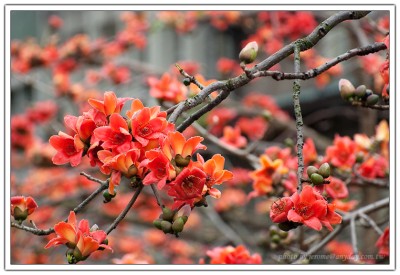
木棉道
(Wood cotton tree pavement or the pavement that's surrounded by wood cotton tree.)
(有更好的翻譯請推薦! )

a close up of the Cotton flower

Starting from March, sometimes last until May,
you can find traces of Cotton tree flowers on the pavement in Taipei...
(上圖皆在google大神上找的,如有侵權請告知。)


第一首ukulele歌入手!! :) 等我練習好一點了再po丟人現眼的錄影片好哩~ XD
Today I learned my first ukulele song! My fingers are so sore right now, but I'm so glad that I finally made it! This is one of my favorite songs when I was growing up too..it's a folk music that was really popular among colleges and universities around 1970s in Taiwan.

(C)紅紅的花開滿了(Am)木棉道 | 長長的(Dm)街好像在燃(G7)燒

(C)沉沉的夜徘徊在(Am)木棉道 | 輕輕的(Dm)風(G7)吹過了樹(C)梢(C-G7-C7)

(F)木棉(G7)道我怎(Am)能忘了 | 那是(F)去年(G7)夏天的高(C)潮(C-G7-C7)

(F)木棉(G7)道我怎(Am)能忘了 | 那是(Dm)夢裡(G7)難忘的波(C)濤

(Em) 啊~~ | 愛情就像(Am)木棉道 | (Em)季節過去就謝(Am)了

(F)愛情就像那木棉(C)道(C-G7-C7) | (F)蟬聲(G7)綿綿斷不(C)了

(from http://www.wretch.cc/blog/uketeach/3428382 Ukuman烏克夢工廠 )

2011年4月26日 星期二

Sungha Jung


Another kid with amazing talent. He is mesmerizing. I could youtube him for hours. ha.

one for today.

"A true friend is like a soul in two bodies"
-Aristotle
真正的朋友好比異體同心。

(註: 可是我覺得這樣講還是怪怪低。這是別人翻譯的版本就是了。恩。)

----
11/04/2012 補註:

"真正的朋友好比住在兩個身體裡的同一個靈魂"。

( 阿這樣有好一點嗎? 阿知)

週末週記。

我親愛的網誌: 我知道我又忽略了你幾天。沒辦法,有麥先生在家的週末,我們一般都是離電腦很遠的。(除了在網路上下載影片和看電影!:-p)
這個週末適逢復活節,平常辛苦工作的麥先生可以多休星期五與星期一,這讓平常抱怨我可以多在被窩中偷懶的麥先生心中平衡一點。剛好小姐我的生日又是在這個週末之前,所以整個週末都讓我有在慶祝生日的不真實感。
我們辛勤的煮了不少食物,在家用力的用著我們的肚子來慶祝快樂的兔子(肚子?)節。麥先生還借我生日之名,實行自己肖想Ukulele已久之實,送我一把美麗且音色渾圓樸實的Cordoba Soprano作為我的生日禮物。 (還有附加一瓶Port跟不少甜食,真的很讓我懷疑他是幫自己買禮物還是在饌養母豬@@") 

不過我們還是有記得去戶外運動,兼顧身心健康。所以隔天下午我們跟三兩好友,沿著這邊的地鐵線(U6),一路騎到了Donau Insel,再過了橋,到靠近麥先生工作對岸的希臘餐廳吃晚飯。
(上圖見證三個臭皮匠勝過一個諸葛亮。Three heads are better than one.)


周日,親愛的麥先生還心機的特意比我早起,在家中設下巧克力蛋陷阱,等待肚子(阿不兔子)我陷入。他還抱怨我怎麼太早起來了,害他差點就來不急藏好彩蛋。阿阿我只能說他太可愛(chiu)。


We had a wonderful Easter weekend at home. We cooked. ate. drank. and aimed at stuffing ourselves so much as that we look exactly like the Easter bunny! (and it was almost a success!) But we also decided to balance our life a bit with hours long of biking along the canal and Dounau. Life couldn't be better. Good life, good food, good friend. Hope things are well on your end, my friend.

------------
才藝奔放的高中同學,在臉書上分享了這個有趣的網站。

Many of my friends from highschool are very artistic. One of them just shared this font website on fb, which I think it's hilarious! You can create your own text on it! (Click on the picture will lead you to its website.)

2011年4月19日 星期二

a good read today!

This is a great post that I want to repost on my own blog to remind myself and my friends who read my blogs from time to time.

The following article is oringally published in Zen habits http://zenhabits.net/create/
If you like it, please pay it forward as well! Share with people who you love!

**********
Create


‘Men must live and create. Live to the point of tears.’ ~Albert Camus

Post written by Leo Babauta.

It’s amazing how many people I talk to who tell me they want to create a new blog, write a book, start a new business, change careers, make something new.

But they keep putting it off.

Does that sound familiar? You’ve been wanting to do something different, but you don’t have the time (or maybe the energy) right now? A million things on your to-do list, a schedule packed full, meetings that keep coming up. You’ll get to your Big Thing, but later. There’s all the time in the world to do it later, right?

That time will never come. Not if you don’t create that time yourself.

Seize the bull by the horns, grasp it tenaciously, never let it go. Time has a habit of trampling over us, so softly we don’t even notice but so powerfully we become crushed over the course of weeks and years.

I had two jobs, six kids and marathon training going on when I created Zen Habits. There was no time, but I put up a single blog post. The next day I did two posts, even though I had no time. That month I did about 30 posts (not all are still online), despite there being no time.

I had no time, so I created it. Time is often said to be our most limited resource, but it’s not true. We can create time. It takes the sheer force of will to do it, but it can be created.

Time doesn’t fall into your lap. It isn’t handed to you by a kindly old gentleman. You must create it, taking from the world the raw materials you need and shaping it with your bare dirty blistered hands, pushing the clay into form from its shapeless muddy glob.

I had no time to create Zen Habits, and yet today it stands, alive and breathing with pattering heart. I created the time, taking some from television watching, some from meetings, some from saying no to the endless requests on my time by co-workers and wellmeaning friends, some from other important projects that I put off. I put off important things to create time for The Most Important Thing. I said no to others I cared about to say yes to the thing I needed to make.

Say no to everything else. Put off what can be held at bay for the time being. And create time for what is necessary.

Make something. Bring new creative life into the world, change the lives of others, and in doing so, change yours.

You have the power to create time, and the will to create. Don’t squander it, my friend.

Women in Arts.


so pretty!

2011年4月13日 星期三

Meine ereste Reise nach Bled, Slowenien!

Meine Letzte Reise, habe ich mit meinem Freund mit dem Zug nach Slowenien gemacht. Mit dem Zug, dauert es fünf Stunden Bled zu erreichen. Das was das ereste mal, dass ich Slowenien besucht habe. Wenn wir dort sind, ist das Wetter sehr Kalt, aber schön! :) Wir sind in Bled, und am See Spazieren gegangen und habe die Burg von Bled, und die Marienkirche auf einer Kleine Insel besucht. Die Burg von Bled ist die älteste Burg in Slowenien. Wir haben auch viele Fotos gemacht. Bled ist sehr schön und ruhig, ich wollte beinahe dort bleiben. In sommer, oder wenn das Wetter wärmer ist, muss ich wieder nach Bled fahren. For more pictures check here

2011年4月11日 星期一

小心駝背! 駝背小心!


阿呀這個問題挺困擾我的 這兩天 但是看完這篇文章 還是感覺有聽沒有懂
我需要圖解說拉 第二篇倒是蠻清楚的 得要多多努力 挺直腰竿才是! (不要再靠邀了! >"<)
原文請見http://hospital.kingnet.com.tw/essay/essay.html?pid=18738&category=%AC%FC%C5%E9%C0J%B6%EC&type=


每日十秒矯正你的彎腰駝背 推到facebook 推到Plurk
根據心理學家的研究報告中顯示,人體的五感之中,視覺占據了83%,因此給別人的第一印象最為重要,尤其是初見面時,如果妳的站、坐姿態不雅,通常都不會讓人留下好印象。每天在家花10秒鐘做瑜珈的牛面式體位,可改善彎腰駝背的姿勢,讓你姿態更優雅。

【牛面體位】
準備動作
1.首先進行緩慢深呼吸,把身體放輕鬆。
2.接著進行大約10分鐘的暖身練習,柔軟身體,舒展四肢,減少運動傷害。

練習步驟:
1.採取正坐姿勢,伸直背筋,保持脊柱挺直,放鬆兩肩與脖子。
2.左腿向裡彎曲,腳掌放在右臀部旁,將右腳跨過左腿上方,腳掌靠近左臀部旁,使雙腳成重疊交錯狀態,如果無法完成,在儘可能範圍內保持重疊也OK。
3.右手臂舉過頭頂,彎曲手肘手指向下,左手臂彎曲手肘手指向上,雙手在背後手指相交。身體僵硬的人剛開始做這個動作是困難的,可以準備一條毛巾拉住。
4.保持自然呼吸,隨著呼吸頻律,吸氣時伸開雙臂,呼氣時放下雙臂,但須特別注意左右手互相拉伸時,二條胳膊要保持伸直。

功效:
牛面式有助於改進人體姿態與身體平衡,並使背闊肌得到伸展矯直背部,同時也可使雙腿肌肉柔軟有彈性。

本文作者【吳貴華】
本文由【KingNet國家網路醫院】提供

第二篇見此
http://tw.group.knowledge.yahoo.com/dragon-phoenix/listitem/view?iid=839


矯正青少年駝背的健康操


 發育期的青少年、少女有「駝背」現象的特別多,雖然父母再三叮嚀,也難糾正他們駝背的壞習慣。青少年駝背不但影響優美姿態,對骨骼發育也有影響,啟新診所體適保健中心提供下列五項矯正駝背的運動方法,父母不妨趁暑假間陪著孩子做做運動,自我矯正駝背的不良姿態。


挺胸轉身:

自然站立(雙腳站開與肩同寬),抬頭挺胸,雙臂向兩側平舉,然後身體緩緩地向右後方轉動,再向左後方轉動,反覆各做30至50回,如圖 1。


握棍轉身:

自然站立(同上),背後肩胛處放長約100公分的棍棒,兩端用雙臂夾住,抬頭挺胸,做向右後及向左後的轉身運動,反覆做30至50回,如圖 2。


雙手托天:

自然站立(同上),雙手手指交叉,掌心朝上,吸氣的同時,朝頭頂做托天動作,抬頭挺胸,並提起腳跟;然後一邊緩緩吐,一邊放雙臂,反覆做20至30回。


身體拱橋:

平躺在地板(或床上),以頭和腳為支撐點,把身體拱橋似地撐高,停留約10至15秒後,讓身體平躺至地板,反覆做20至30回,如圖 4。


爬行運動:

做像嬰兒似的爬行動作,用雙手掌和腳尖著地方式爬行,剛開始速度可慢,漸漸加快,早晚行一次,每次10分鐘左右。


資料來源:啟新健康世界雜誌

駱駝式:柔軟背骨 向駝背說再見


許多人都有彎腰駝背的習慣,久而久之,不當的姿勢容易造成脊椎歪斜,肩痛、腰痛、手腳痠麻等症狀也跟著出現,彎腰駝背不但有害健康,整個人也顯得老態態龍鍾,常練駱駝式可以慢慢矯正彎腰駝背的問題。
●做法:
1.採跪坐姿勢,即臀部坐在雙腳腳跟上,瑜伽稱為「金剛坐」。
2.吸氣,兩膝蓋分開約三個拳頭寬,以膝蓋跪起,雙手插腰,臀部夾緊,大腿腹部向前推。
3.插腰,上半身往後仰,擴胸,腹部向前推,腰部放鬆往上弓高,吐氣(圖一)
4.身體維持擴胸後仰姿勢,雙手自然下垂
,吸氣,先左手再右手扣住腳跟,擴胸,腹部向前推,吐氣,停留十秒(圖二)
5.左手右手放鬆,離開腳跟,雙手舉起由後向前劃弧形過肩,身體隨著雙手恢復膝蓋跪起的姿勢,以金剛坐向前彎,拍拍腰部,調息一下,反覆練習三次。
●要訣:身體後仰時,要儘量放輕鬆,不能拉脖子,圖二手扣住腳跟的動作,初學者可踮起腳趾支撐,雙手比較容易扣到腳跟,身體往後翻時動作要慢,才不會失去平衡撞到地板。
●效果:常做駱駝式,可擴展胸部,增加肺活量,並使腰部、背骨越來越柔軟,達到美姿美儀、矯正駝背的目的。


圖一


圖二


資料來源 : 神 奇 的 芝 麻

Reveling in the real Taiwan


Reveling in the real Taiwan
I was very happy to find out another good article about the place where I came from. Proud of Taiwan.

Washington Post, By Erin Meister, Friday, April , 12:20 PM

At Taiwan’s Taoyuan International Airport, a customs agent takes my passport and eyes it suspiciously. He looks up at me, one eyebrow raised. “Why have you come to Taiwan?” he demands.

“I heard it was a beautiful place,” I reply nervously, and the official’s gaze suddenly softens. He clutches his hands to his heart and grins widely.

“We are so happy to have you here,” he says. “I hope you find it beautiful, and tell everyone where you are from how friendly we are.”

Then he stamps my documents and waves me in, beaming long after I pass through the airport doors.

Although it has something of an international reputation as “China lite,” Taiwan possesses a vibrant national identity and pride of its own. Despite (or perhaps because of) lingering Chinese, Japanese and Dutch colonial influences, the sweet-potato-shaped island has fought to express its cultural, economic and political independence, and a strong youth culture combined with the marks of more than a dozen aboriginal tribes lend it today a dynamic air of self-rediscovery.

My delight in exploring the country’s capital city, Taipei, comes after I shed any lingering dreams of pagodas and rolling rice paddies; instead, I quickly learn to love slipping through dark, dusty doorways into shops, restaurants and seemingly secret cubbyholes where cool urban natives and hip travelers go to find the real Taiwan.

That’s what I’m after on this trip: Local color in every shape and form.

Thanks to the country’s rekindled pride, “Made in Taiwan” no longer implies the cheap production of plastic novelty items. Instead, it signifies a newfound emphasis on the local designer, the unmistakably Taiwanese artisan.

Finding them, however, can be difficult. Some of Taipei’s most adventuresome and innovative producers are tucked into the city’s claustrophobic back alleys. You have to brave the many mopeds whizzing recklessly by to reach them. But the peril’s worth it.

I discover an undeniable diamond in the rough in Figure 21, a don’t-blink sliver of a leather-goods boutique hidden in one of the East District’s many unassuming corridors. Each piece here — deliberately cockeyed change purses and meticulously hand-stitched saddlebags — has a personality of its own. The buttery-warm smell of leather hangs in the air of the studio-like boutique, where rough-and-ready briefcases rest casually alongside oddball knickknacks and vintage books, as though absent-mindedly left behind on a living-room shelf.

Venturing northeast, near the Zhongshan MRT Station, I pop into another pair of local-focused shops for a quick look around — and end up losing much of an afternoon. At the quirky, minimalist Booday, I score an armload of unique, hipstery goodies, giddily browsing through stacks of chopsticks in hand-sewn pouches, off-kilter canvas bags and playfully rough-hewn jewelry. Founded by a group of friends as a design label in 2003, Booday not only produces its own line of screen-printed notebooks that sell for about $6-$10, carry-alls ($50-$76) and T-shirts ($15-$30), it also stocks and promotes local art and artists and publishes its own quarterly magazine. In the homey upstairs cafe, I can’t decide whether to munch a house-made sandwich or get lost among the stacks of CDs by Taiwanese musicians. So naturally I find time for both.

Next door to Booday is Lovely Taiwan, a not-for-profit shop focusing on aboriginal handicrafts and art from outlying villages — from intricately detailed animal statuettes (about $26) to hand-woven fabrics adorned with native patterns (about $40). At first drawn to more banal goodies such as soaps peppered with dried local herbs, I soon find myself puzzling over a set of beautiful bottles of honey- and plum-infused drinking vinegar for about $12. A sweet-and-sour favorite throughout East Asia, sipping vinegar is often served in small cups between meal courses, purportedly to aid digestion and balance your pH. Dozens of mass-produced varieties are sold in the island’s labyrinthine grocery stores, but I was pleased to find small-batch flasks to use as an unusual cocktail mixer back home.

From mid-May, when the humidity skyrockets, sunbrella-toting locals forgo the charm of the shopping alleys to duck from one mammoth air-conditioned department store to the next. While Western designers are well represented here, most of the better malls feature local producers as well; I happily skip past racks of Calvin Klein jeans for hometown hoodies by T-shirt designer ’0416.

At the Xinyi District’s not-just-books flagship Eslite Bookstore, you can meander through seven floors stocked with gorgeous tea sets, funky pillows, hi-tech gadgets and unique stationery from Taipei-based craftspeople. Of course, the books are notable, too: The stunning photographs in such regional tour books as “Taiwan Tribes Travel” by the local publisher Guide make them great souvenirs even if you don’t read Mandarin.

Department store food courts, meanwhile, offer some of Taipei’s most delicious and inexpensive bites: crave-worthy shaved ice topped with fresh fruit (tsua bing), sizzling bibimbap (rice with vegetables), made-to-order sushi, fried rice, barbecue and even the odd twist on Western food (cone-shaped pizza, submarine sandwiches stuffed with sliced fruit). Staking out a table can be stressful, but no one seems to mind my hungry hovering as I wait to pounce on a seat.

Some malls boast fantastic sit-down eateries as well. The famous xiao long bao (steamed soup dumplings) at venerable Shanghai-style chow house Din Tai Fung are worth the long wait for a table on the basement level of the Fuxing District’s Pacific SOGO department store. Huge glass windows separate hungry patrons from the dumplingistas in the kitchen, so you can watch them hand-rolling each perfect little pouch.

Classic pork dumplings arrive screaming hot, and waiting for the morsels to cool enough before sucking out the broth is a challenge. Despite the warnings on every table about proper soup-dumpling technique, my tongue wags painfully after the first bite. Once they’re cool enough, though, the soft, salty snacks disappear quickly.

Probably no comestible is as quintessentially Taiwanese as the xiaochi, or “little eats,” found at Taipei City’s night markets. Some of these nocturnal haunts are meandering collections of stalls and food carts on streets lined with clothing and record shops (such as the Times Square-like Ximending marketplace). Others are more formal structures. The oldest of these is the covered food court at Shilin, where diners have sampled the wares of more than 500 peddlers since 1910. Year-round, a crush of students, midnight noshers and hipsters fills the pleasingly run-down enclosure lined with stalls hawking deep-fried milk, oyster omelets and da chang bao xiao chang (literally “big sausage wraps small sausage” — the little sausage is pork, stuffed inside a casing made from compressed glutinous rice).

I brace myself for another culinary rite of passage: trying chou doufu (“stinky tofu”), fermented blocks of spongy bean curd often served deep-fried and topped with pickled vegetables and a gooey, bittersweet sauce. The snack’s stench varies from vendor to vendor, but its bark can mercifully be worse than the first bite. Pleasantly chewy, it has a slightly sour flavor with a pungent, mustardlike kick.

In daylight, Taipei has a run-down quality that no one would blame you for describing as dingy. Summer’s extreme humidity leaves tracks of mold on many facades. The modern, glass-fronted buildings surrounding the massive skyscraper Taipei 101 in the Xinyi District suggest a shift toward cleaner, starker development, but a trip to older parts of the city reveals hidden corners untouched by modernity.

The oldest section, Wanhua, with its winding corridors and quiet decay, offers a glimpse of the city’s bygone days. At its bustling heart is the busy Longshan Temple. I bump past a flurry of tourists, worshipers and monks selling prayer beads outside the gates to reach the controlled chaos within, where hundreds of faithful light incense and present offerings at myriad shrines to Buddha and other deities.

Students in starched uniforms are a common sight here, coming to plead for high marks on exams and good news at the end of the school term. Other visitors leave gifts of remembrance or tokens meant to assist the unlucky in love.

In the temple’s shadow is the claustrophobic artery known as Herb Alley, a hub for Chinese-medicine vendors. Pushing past loosely bundled dried roots and dried shark fins dangling from hooks, I peruse open bags of exotic dried mushrooms, fragrant rose petals and pungent tangles of ginger and ginseng.

A short walk from Herb Alley is the city’s wholesale fabric district. At its nucleus stands a crumbling two-story building crammed with textile merchants advertising silks, satins and variations on the most popular local pattern: a vibrantly colored background splayed with peonies or other bright flowers, often referred to simply as “floral cloth.” After bargaining with a vendor selling the stuff sewn into pillowcases, I snatch it up elsewhere by the yard to use as eye-catching gift wrap.

Interested in more time travel, I take a leisurely day trip to the lush tea-growing region of Maokong, which involves a breathtaking if vertigo-inducing sky-gondola ride. The mountain’s former fame as an oolong-producing region has faded, but the gondola’s slow, 25-minute climb gives you an incredible bird’s-eye view of tiny backyard vegetable gardens and temples snuggled in the dense foliage below.

Once in hilly Maokong, I have some serious hiking to do before reaching the strip of Zhinan, the main road flanked by teahouses. I settle on a teahouse high atop a ledge for the fabled tea ceremony: a way of systematically brewing and re-brewing the leaves to draw out their flavor.

There’s often a little wistful local mysticism offered while the oolong unfurls in its clay pot. “I grew up here, and moved to the city as a young man,” the tea merchant says quietly as he pours bitter green liquid into my cup. “It gets so dark here at night, some people are afraid. But I missed this place, and I came back. I’m not afraid of the mountain. It is my home; I am from here.”

Just like the steaming cup of tea before me, he is very proudly made in Taiwan.

Meister is a New York-based writer, coffee professional and author of the blog the Nervous Cook (www.thenervouscook.com).